
Curator Finds Murphy Bed’s Place in American History
The Murphy Bed was born of necessity—the inventor had a driving desire to hide his bed, so he could entertain his lady
/https://tf-cmsv2-smithsonianmag-media.s3.amazonaws.com/accounts/headshot/joseph-caputo-240.jpg)
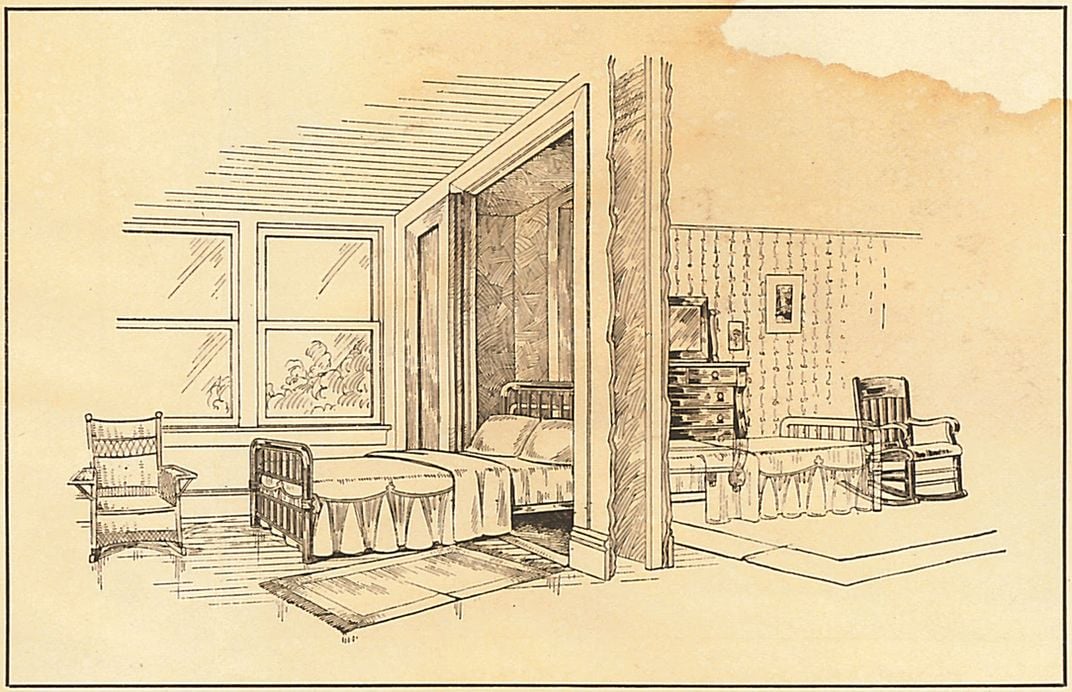
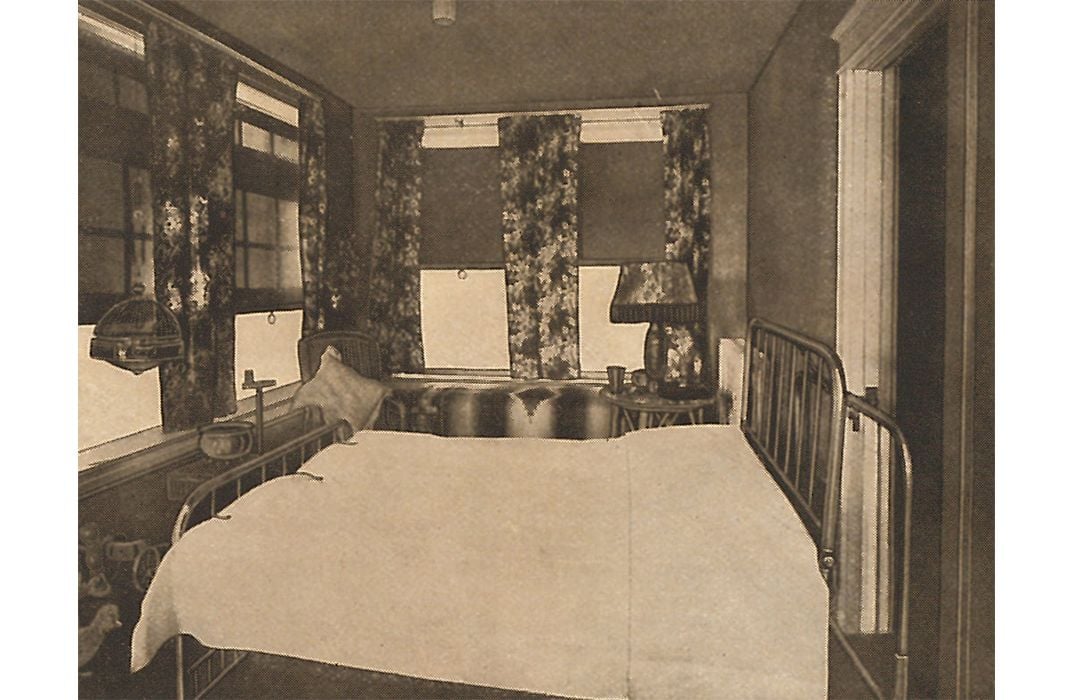
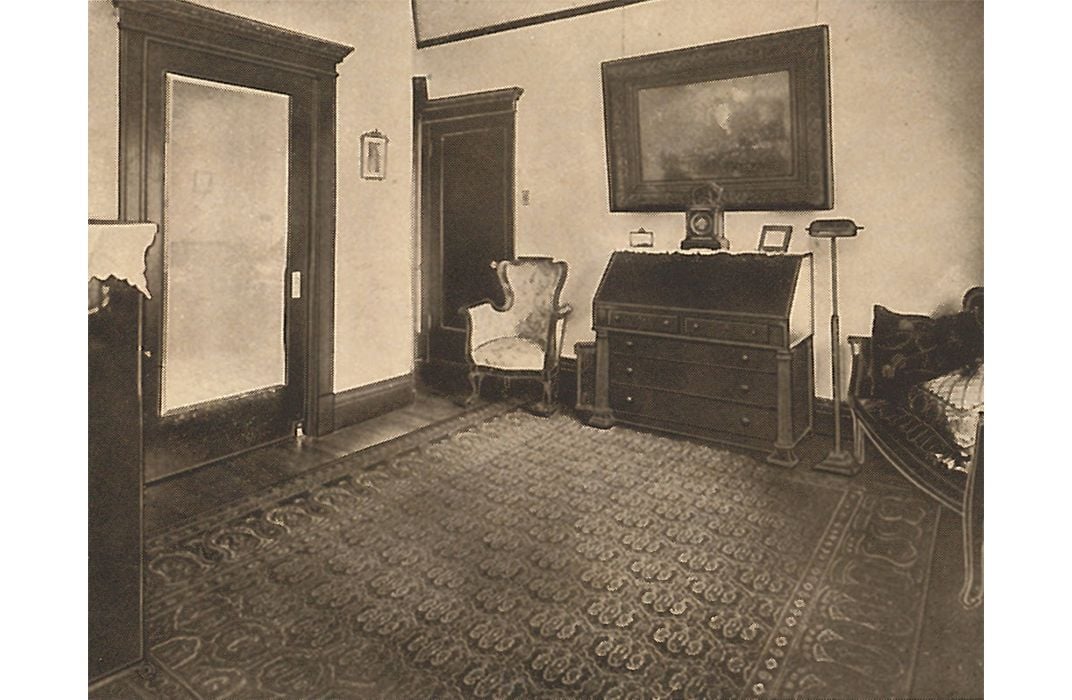
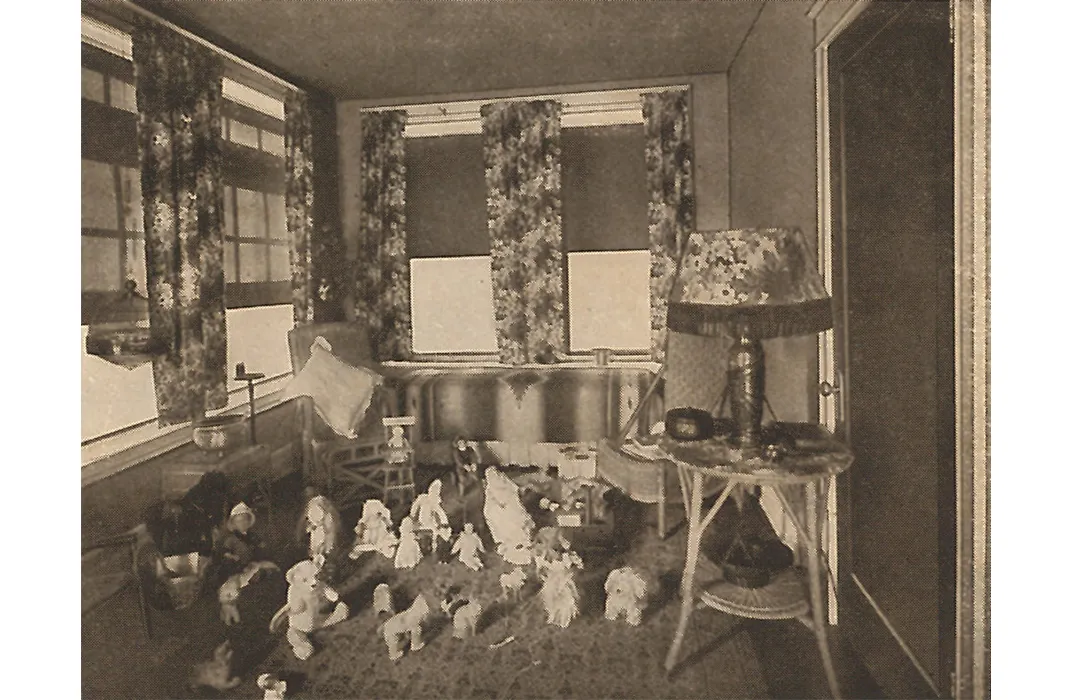

Inventor William Lawrence Murphy (1856-1957) began tinkering with hideaway beds while living in a one-room apartment in San Francisco in the late 19th century. He was falling for a young opera singer and courting customs at that time would not permit a lady to enter a gentleman's bedroom. But according to family legend, Murphy's limited finances and a strict moral code didn't spoil his chance at love. His invention allowed him to stow his bed in his closet, transforming his one-room apartment from a bedroom into a parlor.
The couple married in 1900.


Today, the Murphy bed, a bed that can be folded into a cabinet, is a household brand. National Museum of American History's Assistant Collections Manager Robyn J. Einhorn researched the bed's place in American history for her second master's thesis.
The Murphy bed's increasing popularity came "because of a combination of good timing, a quality product, and an inventive marketing strategy," Einhorn writes, "A housing shortage, brought on by large population spurts in the country resulted in the building of smaller homes."
More often slapstick rather than theses, see Charlie Chaplin take on a finicky Murphy bed above. The bed continues to make us laugh in films like, Police Academy II (1985) and Who Framed Roger Rabbit? (1988) as well as television's "Family Guy."
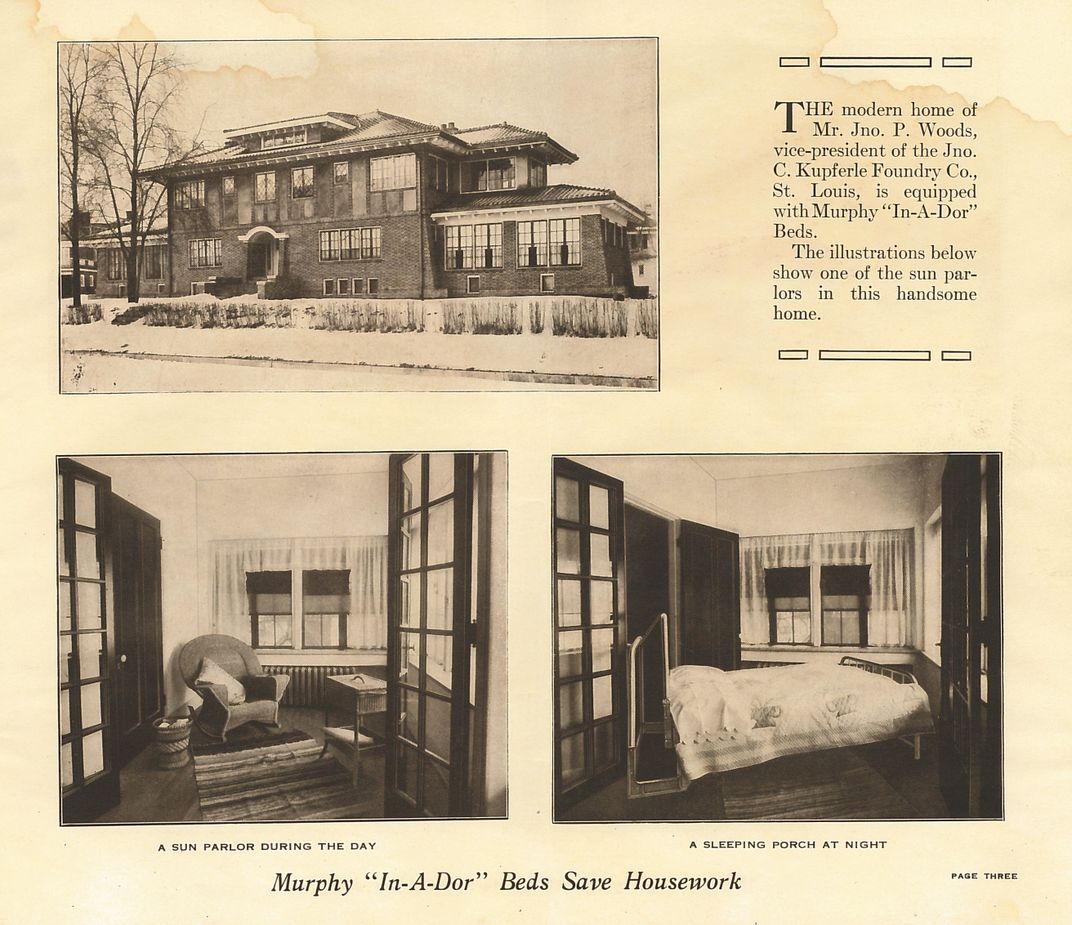
William Murphy first patented his bed in 1911. His design placed a full-sized mattress on a metal frame that hid in a closet during the day and easily converted a dressing room, sleeping porch, or parlor into an extra bedroom at night. Through the 1920s, newspaper advertisements for apartments used the Murphy bed as a selling point.
Though Murphy beds are often pricier than their normal counterparts, " continue to fill a need in living spaces of today, whether it is for small city apartments or suburban homes of empty nesters turning a college student's old bedroom into an office/guest space," Einhorn says.
Additional reporting by Daniel Friend, Inside Smithsonian Research
/https://tf-cmsv2-smithsonianmag-media.s3.amazonaws.com/accounts/headshot/joseph-caputo-240.jpg)