
VIDEO: The Story Behind the Emancipation Proclamation
You’ve seen Spielberg’s “Lincoln,” now hear director of the National Museum of African American History and Culture Lonnie Bunch talk about the forces behind the January 1, 1863 order and the eventual abolition of slavery
/https://tf-cmsv2-smithsonianmag-media.s3.amazonaws.com/accounts/headshot/Leah-Binkovitz-240.jpg)
Abraham Lincoln has proved potent blockbuster material. Steven Spielberg’s Lincoln led the pack with a total of 12 Oscars nominations, including for Best Picture, and got the presidential treatment when Bill Clinton introduced it at the Golden Globes awards ceremony Sunday. Though it certainly has its fans, the film, which focuses on the passage of the 13th amendment, has inspired a great deal of analysis and some criticism.
Quoted in the Los Angeles Review of Books as part of a scholarly breakdown of the film, Brooklyn College Professor Cory Robin writes that abolition was a “process by which slavery collapsed under the pressure of federal arms and the slaves’ determination to place their own liberty on the wartime agenda.”
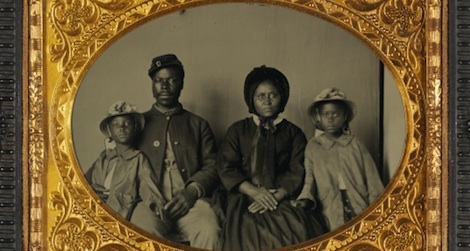
It’s this side of the story, the immense and ongoing efforts of slaves, that director of the African American History and Culture Museum Lonnie Bunch wants to highlight in the exhibit “Changing America,” which pairs the Emancipation Proclamation with the March on Washington, which took place 100 years later.
“It isn’t simply Lincoln freeing the slaves,” says Bunch. “There are millions of people, many African Americans, who through the process of self-emancipation or running away, forced the federal government to create policies which lead to the Emancipation Proclamation.”
For more background on the proclamation, check out Megan Gambino’s document deep dive.
“Changing America: The Emancipation Proclamation, 1863 and the March on Washington, 1963“ is on view at the American History Museum through September 15, 2013.
/https://tf-cmsv2-smithsonianmag-media.s3.amazonaws.com/accounts/headshot/Leah-Binkovitz-240.jpg)