
This New Species of Stick Bug Is Big, Slow, Colorful and Smelly
A new species discovered in the Philippines has scientists wondering just how many animals we’re missing out on
/https://tf-cmsv2-smithsonianmag-media.s3.amazonaws.com/accounts/headshot/Rose-Eveleth-240.jpg)
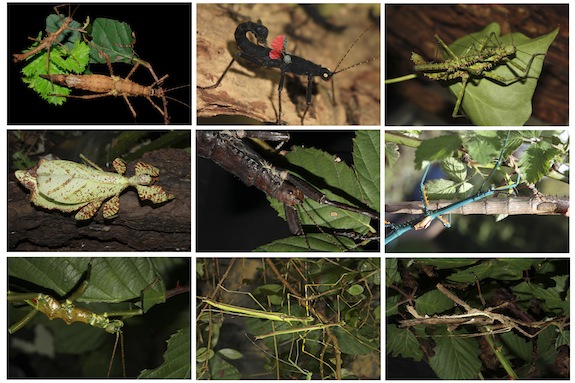
This new insect adds to the amazing diversity of stick-bugs, pictured here. Image: Dragus

In the Phillipines, scientists have discovered a brand new species of stick bug—a slow, huge, smelly and colorful creature.
It’s not just a new species, but a new genus, and was actually collected several years ago, the BBC says:
“Recently a colleague, entomologist Oskar Conle, showed us some museum specimens of a strange-looking stick insect found several years ago on Mount Halcon, a remote locality in the Philippine island of Mindoro,” explains Marco Gottardo, who is studying for a PhD at the University of Siena, Italy.
When Conle showed Gottardo the bug, he was “baffled.” They had never seen anything like it.
The insect has no wings, so it crawls around on the ground. It deters predators by releasing a stinky smell and has a bright green head and orange body, probably meant to warn off predators as well. Unlike most stick bugs, this little guy lives on the ground among the tree litter. It’s so unusual, that the scientists naming it have chosen the moniker Conlephasma enigma. “We have named the new stick insect with the specific epithet “enigma” because its systematic position in the tree of life of stick and leaf insects remains a mystery,” Gottardo told the BBC.
While the enigma might not be the longest or biggest stink bug ever found, its bright colors and strange habits certainly set it apart. They also make us wonder how many smaller, less conspicuous, non-stinky species we might be missing.
More from Smithsonian.com:
Stick Bugs Have Sex for Two Months Straight
Insects as a Food Source
/https://tf-cmsv2-smithsonianmag-media.s3.amazonaws.com/accounts/headshot/Rose-Eveleth-240.jpg)