Blogs

  • News
  • |
  • Art
  • |
  • History
  • |
  • Food and Travel
  • |
  • Science
SmartNews

Keeping You Current

Around the Mall

Scenes and sightings from Smithsonian museums and beyond


October 12, 2012 3:49 pm

This Helmet Knows When You’ve Crashed And Calls for Help

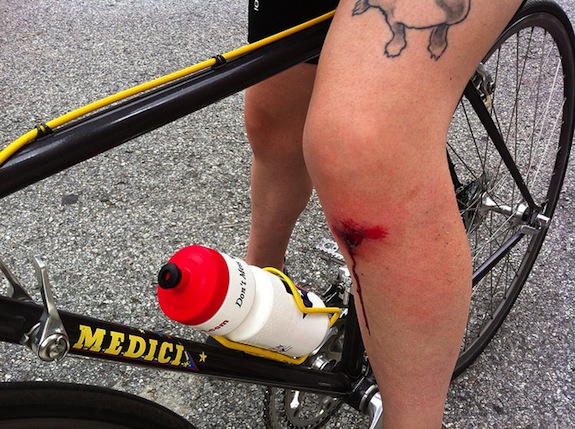
Ouchies. Image: Shelley Bernstein

The next time you’re down in a ditch after being run off the road by some crazy dude driving a minivan full of screaming children… help might already be on its way. That’s because your helmet, registering the impact of said mini-van’s passenger door on your body, has sent out a signal for medical assistance.

ICEdot, the company that makes the smartest helmet out there, says that its little helper will only send out a signal if you’ve been hit hard enough to have to replace the helmet. So every time you come to a skidding stop or clumsily dismount or fall on your face, the paramedics won’t show up. You can fund this little device at Indiegogo.

The Atlantic Cities has the one caveat:

There is one big catch to this potentially life-saving device: Should you be in a location with no cellphone service, it doesn’t work. So don’t go around crashing into fir trees just because you think somebody will carry you to the hospital.

More from Smithsonian.com:

Leatherhead to Radio-head: The Evolution of the Football Helmet


***

Sign up for our free email newsletter and receive the best stories from Smithsonian.com each week.

1 Comment »

  1. *Disclaimer* I work with the folks at ICEdot (great people by the way)

    To those who like the product:
    Wanted to let you know that you can pre-order a sensor over at:
    http://indiegogo.com/icedot

    There’s even a cool video where you can see it in action.

    To those who aren’t quite sold on it:
    It may not keep you from being in a crash, but it just might save your life. It does more than just tell you how much shock your helmet took. It pairs with the ICEdot emergency service to notify your loved ones (via text, phone, and/or email).

    It is also actually more than an accelerometer – it includes multiple accelerometers and gyroscopes and allows for better measurements and much smarter crash detection than a smartphone alone would allow. While you could use the accelerometer in a smartphone to measure sudden changes in speed, it would result in too many false positives to be useful.

    Comment by Jonathan Gates — October 18, 2012 @ 12:33 pm


RSS feed for comments on this post. TrackBack URI

Leave a comment

Comments are moderated, and will not appear until Smithsonian.com has approved them. Smithsonian reserves the right not to post any comments that are unlawful, threatening, offensive, defamatory, invasive of a person's privacy, inappropriate, confidential or proprietary, political messages, product endorsements, or other content that might otherwise violate any laws or policies.

Spam protection by WP Captcha-Free

Advertisement


Trending Today New Research Cool Finds

Follow Us

Travel with Smithsonian


Advertisement