Blogs

  • News
  • |
  • Art
  • |
  • History
  • |
  • Food and Travel
  • |
  • Science
SmartNews

Keeping You Current

Around the Mall

Scenes and sightings from Smithsonian museums and beyond


October 30, 2012 2:50 pm

What Makes Transformers Explode?

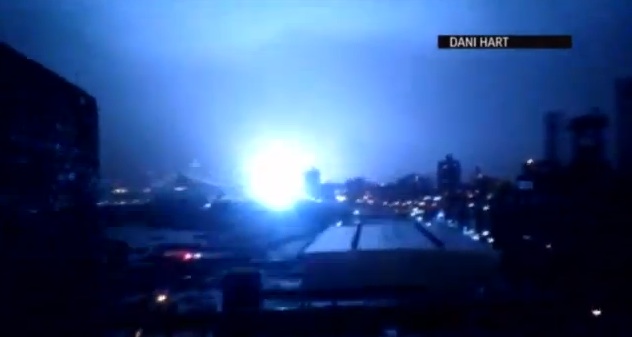
Last night, a transformer exploded at a Con Edison plant in lower Manhattan, sparking a flurry of tweets, texts and Facebook posts from residents who witnessed or caught the event on camera. Power failed from 39th Street all the way to the southern tip of Manhattan, and the affected area likely will not regain power for up to a week. So far, authorities don’t know whether the explosion was directly related to the storm since it happened just as Con Ed intentionally cut power to 65,000 customers in an effort to protect equipment, CBS News writes.

Although we don’t yet know what happened at this particular plant, we do know several general problems that can cause transformers to explode. Popular Mechanics explains:

When flooded with too much electricity, the sudden surge can cause a transformer explosion. As transformers detect an energy spike, they’re programmed to turn off, but it can take up to 60 milliseconds for the shutdown. However fast those milliseconds may seem, they still may be too slow to stop the electrical overload.

A chamber full of several gallons of mineral oil keeps the circuits cool, but given too much electricity, the circuits fry and melt, failing in a shower of sparks and setting the mineral oil aflame. Mineral oil, in turn, combusts explosively and rockets transformer scything into the air.

All it takes is a trigger, a corroded or faulty wire, and the circuits surge will get ahead of the breaker.

Salt from sea water, for example, can create hazardous conditions for underground electrical systems since it acts as a corrosive agent. Old transformers can explode when their insulating materials begin to fail, too.

We should have a more specific answer about what happened during Hurricane Sandy to trigger the transformer explosion soon, but hopefully the thousands without electricity will have their power restored even sooner.

More from Smithsonian.com:

An Unholy Alliance of Unusual Weather and Scarce Coal Nuked India’s Power Grid 
How Smart Can a City Get? 


***

Sign up for our free email newsletter and receive the best stories from Smithsonian.com each week.

3 Comments »

  1. DATE: 04-NOV.-2012

    WHAT CAUSED THE EXPOSION OF THE POWER TRANSFORMER(S)IN MANHATTAN’S ELECTRICAL SUBSTATION AT THE HEIGHT OF SANDY HURRICANE WAS INDEED A NIGHTMARE AND WHICH RESULTED INTO BIG HEADACHES TO ALL NOTWITHSTANDING THE HARM IT DOES IN THE POPULACE AS POWER WAS CUT-OFF BRINGING THOUSANDS IN DARK DESPAIR. THERE ARE MANY CAUSES OF THESE POWER TRANSFORMERS EXPLODING WHICH MAY BE MAN MADE, BY NATURE AND OVERLOADING AND EVENTUALLY SHORT CIRCUITS BOTH EXTERNAL AND INTERNAL INTO IT.
    THE MOST PROBABLE CAUSE MIGHT BE THE L-G FAULT AT THE TRANSFORMERS HIGH SIDE TERMINALS WHICH ARE EXPOSED TO THE ENVIRONMENT AS THE RAINS DUE FROM SANDY WERE DAMPING ON THESE TERMINALS CAUSING A CREEPING VOLTAGE BRIDGING THE GAP BETWEEN THE INSULATED HIGH VOLTAGE TERMINAL BUSHING DOWN THE TO THE TRANSFORMER’S METALLIC FRAME AND TANK CONNECTED TO EARTH AS THE FRAME IS (SINCE MOST OFTEN THAN NOT ALL OR MOST OF THESE POWER TRANSFORMERS ARE INSTALLED OUTDOOR WHICH ARE EXPOSED FROM THE ELEMENTS SUCH AS RAIN OR SMALL ANIMALS)AND SINCE SALTY RAIN WATER IS CONDUCTIVE AND AS IT DRIPS DOWN SO DOES A DIRECT SHORT CIRCUIT WILL HAPPEN AND WILL CAUSE HIGH CURRENTS TO FLOW TO THE TRANSFOMER FRAME BODY WHICH INTURN CAUSES EDDY CURRENTS OF HIGH FREQUENCY TO FLOW IN THE TANK AND HEATING THE TANK, ITSELF. THEN AS IT HEATS UP, THE BIG VOLUME OF OIL INSULATION INSIDE THE TRANSFORMER TANK ALSO HEATS UP (ACTING NOW JUST LIKE INDUCTION PAN) WHICH DEVELOPS HIGH PRESSURE INSIDE. THERE IS USUALLY AN OVERPRESSURE DEVICE WHICH SENSE THIS ABNORMALITIES THERBY IT ACTS TO QUICKLY DE-ENERGIZED THE TRANSFORMER INPUT POWER BUT AS THIS MAY HAVE ACTED SLOWLY THE RESULTING RATE OF RISE OF OVERPRESSURE BUILDS-UP RATHER QUICKLY AND OVERTOOK IT AND THEN EXPLOSION WAS TRIGGERED DUE TO OVERPRESSURE AND HIGH TEMPERATURE COMBINED. NOW HERE’S THE LESSON TO LEARN. THESE MAIN POWER TRANSFORMERS SHOULD HAVE BEEN PROVIDED WITH SUNSHADE OR CANOPY JUST AS GOOD ENOUGH FOR THESE TRANSFORMERS TO BE PROTECTED FROM THE FALLING RAIN SPECIALLY DURING HIGH WINDY RAINS CAUSED BY HURRICANE AND EVEN DURING NORMAL RAINY DAYS. THESE CANOPYS ARE NOT COSTLY BUT IT DO PREVENT MOSTLY SUCH INCIDENTS THEREBY SAVING AND ABBETING THE CAUSE AND EFFECT OF SUCH KIND. FURTHER, POWER TRANSFORMER’S ARE NOT PROGRAMMED TO DETECT BY ITSELF BUT ONLY THE BUILT-IN DEVICES SUCH AS BUCHHOLZ RELAY, OVERTEMPERATURE SENSOR DEVICE, ETC. AND THE PROTECTION RELAYS WHICH DETECTS ELECTRICAL FAULTS AND OF COURSE, NOT WITHSTANDING THE ASSOCIATED C.T.DEVICES.

    Comment by FELIX Jr. — November 4, 2012 @ 4:02 am


  2. Or maybe the diffferential protection wasn’t set correctly.

    Comment by Doug — November 28, 2012 @ 1:14 pm


  3. Now more than two months later I wonder if Con Ed ever answered the original question? The answer will impact hundreds, if not thousands, of people wanting to make insurance claims. If flooding was the cause many will be disqualified.

    Comment by Harriet — January 15, 2013 @ 11:21 am


RSS feed for comments on this post. TrackBack URI

Leave a comment

Comments are moderated, and will not appear until Smithsonian.com has approved them. Smithsonian reserves the right not to post any comments that are unlawful, threatening, offensive, defamatory, invasive of a person's privacy, inappropriate, confidential or proprietary, political messages, product endorsements, or other content that might otherwise violate any laws or policies.

Spam protection by WP Captcha-Free

Advertisement


Trending Today New Research Cool Finds

Follow Us

Travel with Smithsonian


Advertisement