
When Did Human-Neanderthal Hook Ups End?
Upper Paleolithic humans coming out of Africa lost romantic interest in Neanderthals about 47,000 years ago
/https://tf-cmsv2-smithsonianmag-media.s3.amazonaws.com/accounts/headshot/Rachel-Nuwer-240.jpg)
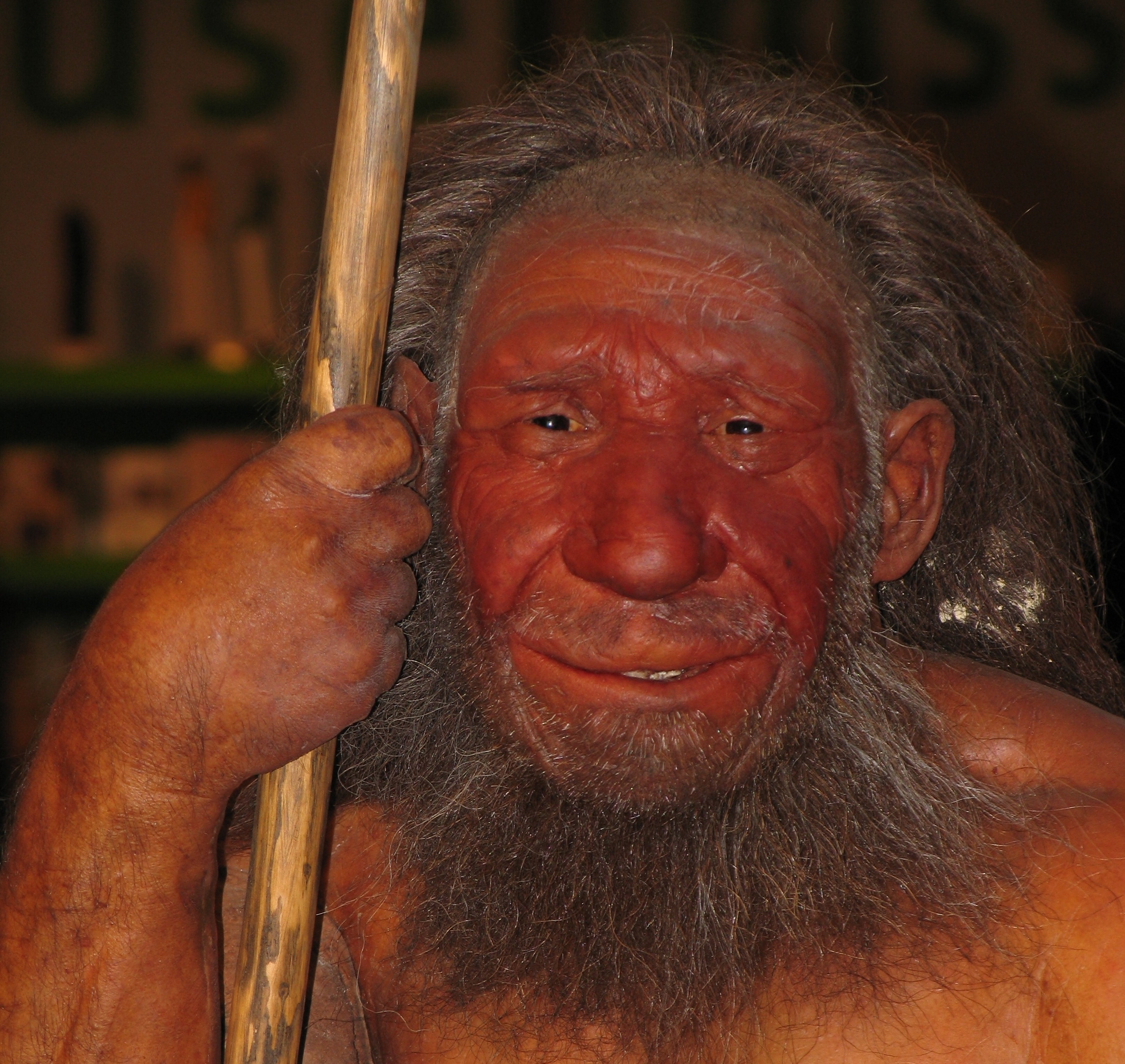
Photo: Stefan Scheer

DNA analysis shows that Neanderthals and humans once interbred, but when did the romance come to an end? A new study reveals that Upper Paleolithic humans coming out of Africa lost interest in Neanderthals about 47,000 years ago.
As i09 explains, when scientists first sequenced the Neanderthal genome back in 2010, they found that Neanderthal DNA comprises between 1 to 4 percent of modern Eurasian genomes. Africans, however, inherited no such genetic relics. From this discovery emerged two theories. One had it that modern humans and Neanderthals started interbreeding in Europe about 100,000 years ago; the other, that African populations remained subdivided but eventually started breeding with Neanderthals as they made their way into Europe during the Upper Paleolithic era.
The latest piece of the puzzle—teased out by comparing the length of DNA pieces in European and Neanderthal genomes—indicates that Neanderthals and modern humans last got it on probably around 47,000 years ago, well after modern humans appeared outside of Africa, but probably before they made their way to Asia. Why the flame between humans and Neanderthals burned out, however, remains a mystery.
More from Smithsonian.com:
The Rock of Gibraltar: Neanderthal’s Last Refuge
Modern Humans Once Mated with Other Species
/https://tf-cmsv2-smithsonianmag-media.s3.amazonaws.com/accounts/headshot/Rachel-Nuwer-240.jpg)