
The Life And Death of Wonder Bread
Clever advertising and technical innovations propelled Wonder Bread to the top
/https://tf-cmsv2-smithsonianmag-media.s3.amazonaws.com/accounts/headshot/smartnews-colin-schultz-240.jpg)
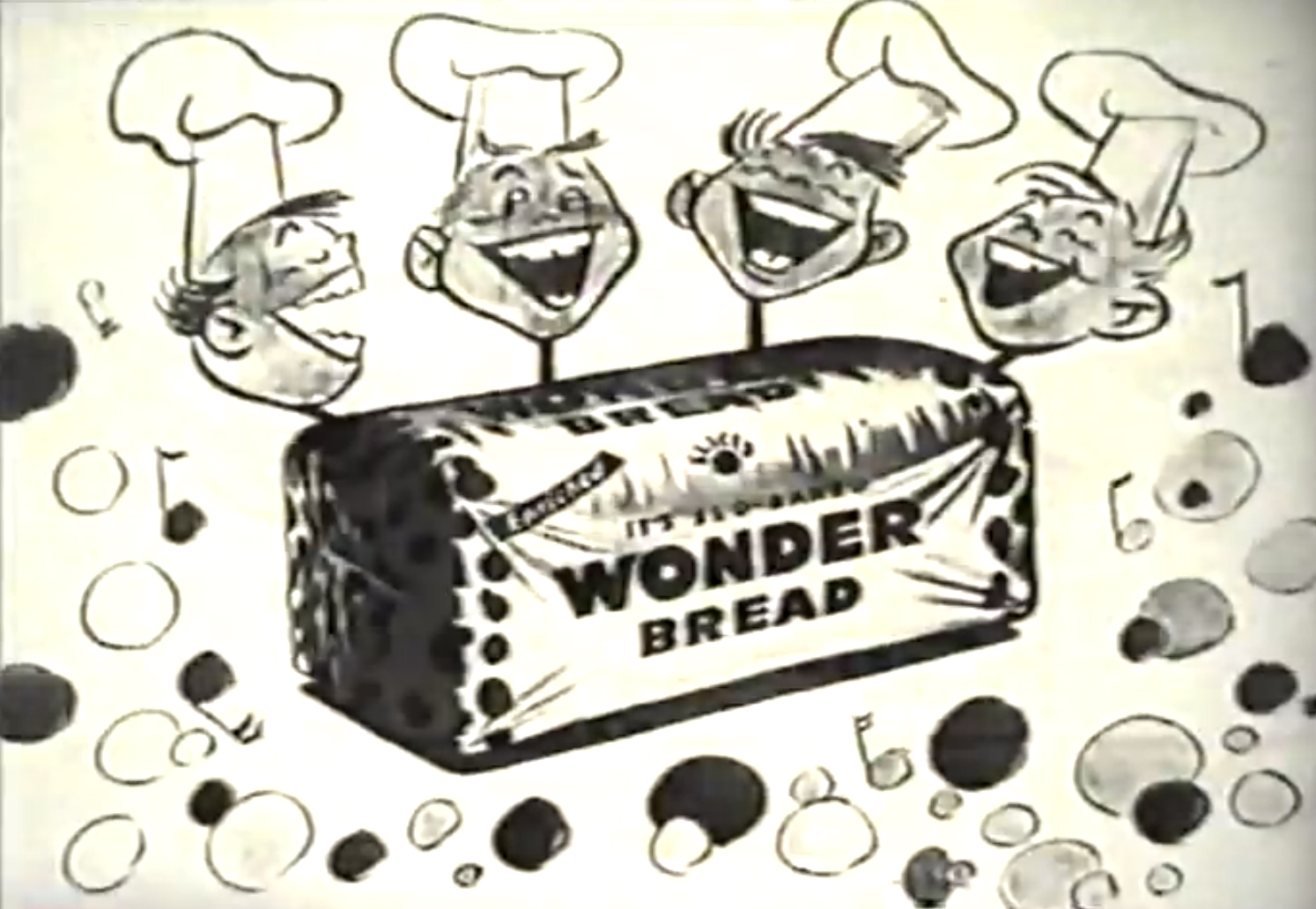
In an announcement today, Hostess—the maker of Twinkies, Wonder Bread, Ho-Hos and a range of other sugary treats—let it be known that it was going to be shutting down all of its factories, fallout from a bankruptcy filing made in January. Driving the company’s financial woes, says The Christian Science Monitor, is the fact that starting two years ago, “for the first time in the US, sales of sliced wheat bread outsold sliced white bread – a blow to the Wonder Bread label.”
First conceived in 1921 by the Taggart Baking Company, Wonder Bread grew into an iconic loaf, bleached-white, sugar-heavy, nutrient-enriched. As locally-produced, artisanal or whole-food products regain popularity, the potential death of Wonder Bread is a symbol of the ongoing cultural shift in American eating.
Wonder Bread entered the market in the post-war era with a number of key advancements: Wonder Bread was the first to introduce the 1.5 pound loaf, a jump over the existing one-pounders of the time. And, in the 1930s, its makers were the first to the shelf with sliced bread, says Carolyn Wyman, who wrote a book on the bread’s history, to Wisconsin Public Radio.
Assisting in its rise to cultural icon, says Sam Dwyer for Cluster Mag, was its approach to marketing, one that shirked the religious, racial and social overtones of the day.
The new Taggart bread wouldn’t carry religious or ethnic connotations that could hinder it’s sales, or even falsely identify itself with the work of Puritan mothers – it was going to be better. It was going to be from the mechanized world of the future, a utopian world with factories suspended from the clouds by the thread of their smoke; bridges with the leap of gymnasts… and the gliding flight of aeroplanes whose propellers sound like the flapping of a flag and the applause of enthusiastic crowds – a vision outlined in Filippo Marinetti’s Futurist Manifesto, published in 1909.
… The new Wonder Bread didn’t suggest hearth and home. On the contrary, the unnaturally vibrant colors of the logo and visual purity of this new, virgin white, 1.5 pound loaf perfectly evoked the otherworldliness of the enormous manufacturing system that was seen as America’s future.
Alongside the boomer generation of the 1950s and 60s, says Believer Magazine, sales of industrially-produced white bread soared:
uring the late ’50s and early ’60s, Americans ate a lot of it. Across race, class, and generational divides, Americans consumed an average of a pound and a half of white bread per person, every week. Indeed, until the late ’60s, Americans got from 25 to 30 percent of their daily calories from the stuff, more than from any other single item in their diet (and far more than any single item contributes to the American diet today—even high-fructose corn syrup).
But the slump in sales that drove Hostess into bankruptcy, with Wonder Bread under-performing in the face of a societal turn to whole wheat bread, has been part of a long-running struggle for the bread-maker. Indeed, the past few years have seen Wonder Bread re-work its advertising and introduce a range of new products, hoping to rekindle attention from the shifting market. ”ut,” says Cluster Mag, “the newer variants of the product have never captivated the national imagination as much as the original version did.”
More from Smithsonian.com:
Why We Have Sliced Bread
Ratio-based Bread Baking
/https://tf-cmsv2-smithsonianmag-media.s3.amazonaws.com/accounts/headshot/smartnews-colin-schultz-240.jpg)