
Tornado Power: Green Energy of the Future?
Paypal co-founder and early Facebook investor Peter Thiel just gave a small $300,000 startup grant to a Canadian researcher trying to harness power from man-made tornados
/https://tf-cmsv2-smithsonianmag-media.s3.amazonaws.com/accounts/headshot/Rachel-Nuwer-240.jpg)
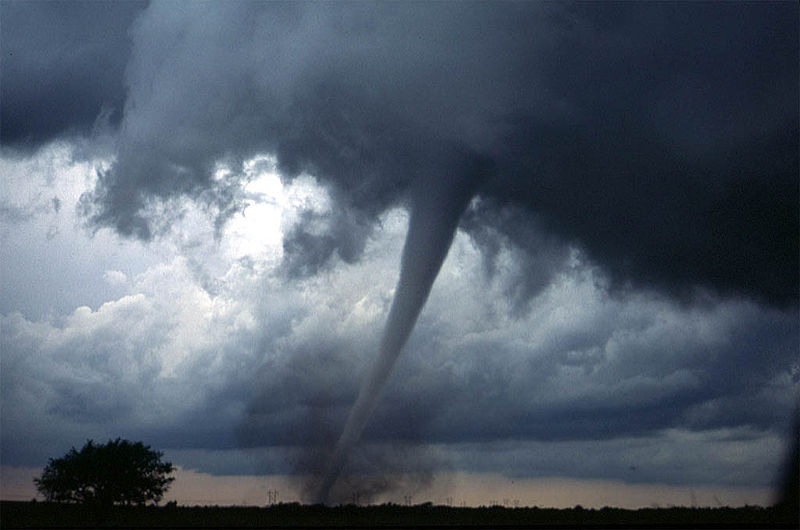
Photo: Daphne Zaras

Paypal co-founder and early Facebook investor Peter Thiel just gave a small $300,000 startup grant to a Canadian researcher trying to harness power from man-made tornados.
Louis Michaud, the entrepreneur behind the tornado power, has spent years “trying to be taken seriously,” Gigaom writes. His technology, dubbed the Atmospheric Vortex Engine, introduces warm, humid air into a circular station where it assumes the form of a rising vortex. In other words, he creates a controlled tornado. The difference between the heated air and the atmosphere above it supports the vortex and drives turbines. Simply shutting out the source of warm air turns off the tornado.
The startup says that this system can deliver emissions-free energy and costs just 3 cents per kilowatt-hour, compared to coal’s 4 to 5 cent cost and high greenhouse gas emissions.
But tornado power would require a tornado power plant, which would need to include a tornado-generating column at least 130 feet tall and still needs to be tested and built. Michaud hopes to eventually harness waste heat from power plants or industrial factories to create his tornado vortexes.
In addition to the tornadoes, Thiel is funding a company that investigates next-generation compressed air energy storage technology and another that combines in-vitro meat with 3D printing.
More from Smithsonian.com:
Surviving Tornado Alley
Follow the Tornado Chasers Online
/https://tf-cmsv2-smithsonianmag-media.s3.amazonaws.com/accounts/headshot/Rachel-Nuwer-240.jpg)