
We Prefer Our Leaders to Have Deep Voices, Even If They Are Women
Our biology may be influencing our decision making when it comes to how we select our leaders
/https://tf-cmsv2-smithsonianmag-media.s3.amazonaws.com/accounts/headshot/Rachel-Nuwer-240.jpg)
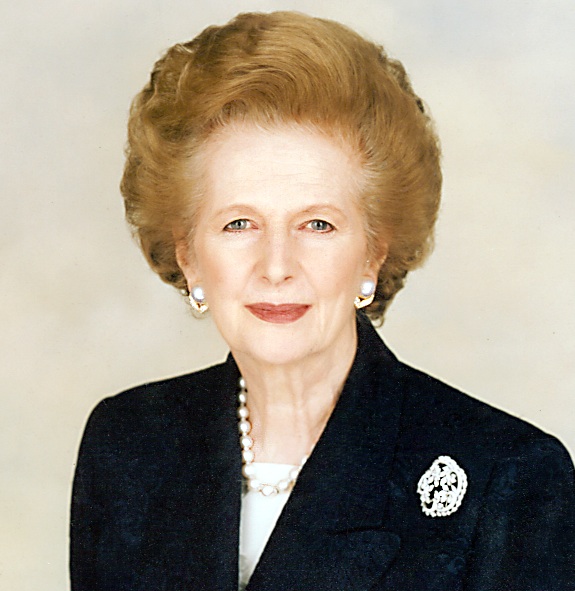
Photo: Margaret Thatcher Foundation

At the start of her political career, former British Prime Minister Margaret Thatcher took elocution lessons to lower her voice. Her advisors told her the public would find a more masculine and authoritative voice to be more appealing. They were right. New research shows that both men and women prefer political or business leaders – including women – to have lower voices, The Telegraph reports.
To arrive at this finding, scientists used simulated elections for two feminine leadership roles, president of the PTA and leadership on a school board. Volunteers listened to candidates with differently pitched voices saying “I urge you to vote for me this November.”
Both men and women preferred the candidates with lower, more masculine voices. In other words, our biology may be influencing our decision making when it comes to how we select our leaders.
More from Smithsonian.com:
The Very First Troop Leader
Birthday Cake for Mother Ann, Leader of the Shakers
/https://tf-cmsv2-smithsonianmag-media.s3.amazonaws.com/accounts/headshot/Rachel-Nuwer-240.jpg)