Blogs

  • News
  • |
  • Art
  • |
  • History
  • |
  • Food and Travel
  • |
  • Science
SmartNews

Keeping You Current

Around the Mall

Scenes and sightings from Smithsonian museums and beyond


January 29, 2013 10:30 am

Why Do Cute Animals Make Us Want to Squeeze Their Little Brains Out?

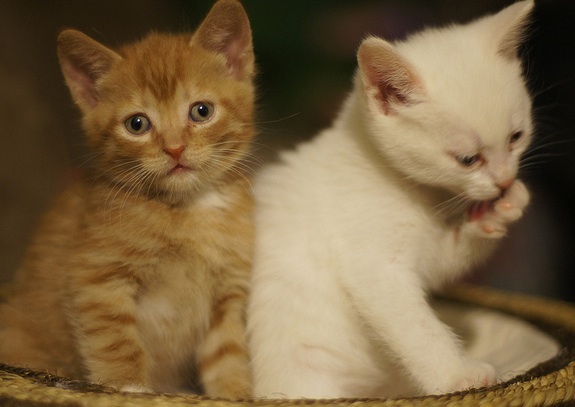
Most of us have been there: that bouncing puppy, string-chasing kitty or gurgling baby suddenly seems so overwhelming cute that we want to squeeze, pinch or shake that source of adorable to death. Don’t worry—you are not deranged, and you are not alone. This seemingly out of place aggressive behavior to the world’s most cuddly and lovable critters is actually the norm, researchers recently announced at the annual meeting of the Society for Personality and Social Psychology, LiveScience reports.

The researchers gave subjects a few sheets of bubble wrap and showed them images of adorable animals, funny pictures or random shots of neutral objects. Participants who saw the cute animals popped 120 bubbles, on average. Viewers of the funny slideshow popped 80 bubbles for the funny slideshow; people looking at the neutral objects popped around 100. (Maybe they were bored?) The researches concluded that destructive feelings towards cuteness are commonplace.

Some people verbalize these feelings— think about the phrase “I want to eat you up!”—while others act on them. It’s not that people actually want to hurt a basketful of kittens or a fluffy little duckling. They may just be frustrated because they can’t give that baby walrus pictured on the internet a big hug. Or they may be overwhelmed by positive feelings of joy. Sometimes, we just can’t handle all of that happiness. Think Miss America sobbing as she gets the crown.

“It might be that how we deal with high positive-emotion is to sort of give it a negative pitch somehow,” lead researcher Rebecca Dyer said. “That sort of regulates, keeps us level and releases that energy.”

More from Smithsonian.com:

Cute Baby Animal Watch: Black Howler Monkey 
New Clouded Leopard Cubs Born at the Zoo 


***

Sign up for our free email newsletter and receive the best stories from Smithsonian.com each week.

3 Comments »

  1. OMG. That is about the most stupid article I have ever read. Really. If someone has the urge to squeeze a kitten’s brain out or, literally, eat one up they need to realize that they are a psychopath and stay away from all things cute.

    Comment by Kathy — January 29, 2013 @ 6:19 pm


  2. Where is the connection between popping bubbles and squeezing brains out? If I had been given the bubble wrap, I would have had no desire to pop these bubbles while looking at those cute images. So, what does that make me?

    Comment by Dan — January 30, 2013 @ 2:09 pm


  3. While some people want to squeeze the brains out of cute things, I don’t see how this experiment proves it. A person could be popping bubble wrap because they were excited or animated by the cuteness (a lot of dreary people perk up and get energy around children)… Also, when people say “I could just eat you up!” that has a lot to do with words we use to describe children: they are sweet; little girls are made of sugar and spice; etc. We call kisses “sugar” colloquially throughout the US (and probably other places), and we talk about children with allusions to fruit (Lo, children are an heritage of the LORD: and the fruit of the womb is his reward.–King James Bible, Psalm 127). Now, I have wanted to squeeze some cute brains out, but that’s because I am an older sister and didn’t like a baby usurping my spot as the cutest thing around. Something is wrong with this write up, though–the conclusions are very 6th-grade science fair. Whether that is the fault of the reporter or experiment, I don’t know. Come on, Smithsonian! You’re usually my fave.

    Comment by Marion — January 30, 2013 @ 4:09 pm


RSS feed for comments on this post. TrackBack URI

Leave a comment

Comments are moderated, and will not appear until Smithsonian.com has approved them. Smithsonian reserves the right not to post any comments that are unlawful, threatening, offensive, defamatory, invasive of a person's privacy, inappropriate, confidential or proprietary, political messages, product endorsements, or other content that might otherwise violate any laws or policies.

Spam protection by WP Captcha-Free

Advertisement


Trending Today New Research Cool Finds

Follow Us

Travel with Smithsonian


Advertisement