
Coffee Pods, An Instant Classic
Single-serving coffee pods are the most recent form of instant coffee. Its history is much shorter than the espresso shot, though just as inventive
/https://tf-cmsv2-smithsonianmag-media.s3.amazonaws.com/accounts/headshot/Jimmy-Stamp-240.jpg)
/https://tf-cmsv2-smithsonianmag-media.s3.amazonaws.com/filer/20120627090009k-cup-diagram_470.jpg)
We’ve previously looked at the history of espresso, which could arguably be considered the first instant coffee. This week, we look at coffee pods, which could arguably be considered the most recent form. The history of the coffee pod is much shorter than that of the espresso shot, though in its own way, just as inventive. Since their debut in the 1990s coffee pods and capsules have become incredibly popular. One company, however, has come to dominate the market so that its brand has become nearly synonymous with the product in the same way that Kleenex has with facial tissue.
The K-Cup, from the Keurig coffee company, is a small, foil-sealed cartridge packed with coffee grounds and a micro-filter that delivers a single cup of coffee. The founding tenets of the coffee pod model have always been freshness and convenience. The secret is in the cup, which seems simple enough but has been carefully designed to ensure freshness by blocking the three enemies of ground coffee: oxygen, light and moisture. It’s also been designed to work exclusively with Keurig’s proprietary brewing machines. The K-Cup system was initially designed primarily to be used in offices, but Keurig machines are now just as likely to be found in a tiny apartment as they are a tiny break room. No muss, no fuss, no yelling at Debbie from accounting because she didn’t brew another pot after she finished the last cup. These machines can brew a cup of joe in less than a minute and it does so in a manner that’s not entirely dissimilar from the espresso. The brewer punctures the cartridge and fires a stream of pressurized hot water through the grounds and filter. Voilà – coffee.
Of course, instant coffee is nothing new. But Keurig have cut a new path through an old landscape and, in so doing, have created an entirely new ecosystem. In their quest to make life easier for the Debbies-from-accounting of the world, Keurig created not only a unique, convenient product, but also the exclusive delivery system for the product. It’s the iTunes model of coffee. To carry the analogy a little bit further, in the same way that Apple’s music store has propagated the sales of single tracks (bought on iTunes, of course), K-Cups propagate the sales of single cups. Why buy a whole pound of French Roast when you can just try a single cup? Curious about hazelnut decaf or creme caramel? Buy a sample pack. With more than 200 different types of coffee now available in K-Cup form, it’s easy to have your favorite flavors and brands at your disposal – as long as you have a Keurig brewer or one from their officially licensed partners.
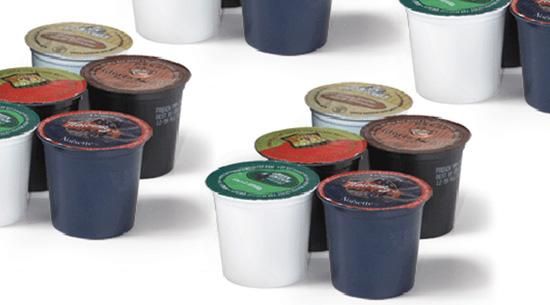
Speaking of disposal, K-Cups are not recyclable. Green Mountain Coffee Roasters Inc., which purchased Keurig lock-stock-and-patents in 2006, argue that the majority of the environmental impact happens in the early stages of the process, and packaging does much less damage, relatively speaking. But according to one measurement, more than three billion K-Cups were sold in 2010, and there’s no reason to think than any fewer will be sold this year. That’s a lot of thrown-out plastic cups. One of the greatest challenges facing Green Mountain, a company that prides itself on social responsibility, has been the development of a recyclable coffee pod. Green Mountain claims that there is currently no biodegradable or compostable materials that can do what they need the highly-engineered K-Cup to do. However, the company is aware of this issue and have made an effort to counter this wastefulness by reducing the amount of packaging they use. They’ve also instituted a pilot program to keep K-Cups out of landfills, although it’s not exactly clear where those cups are going.
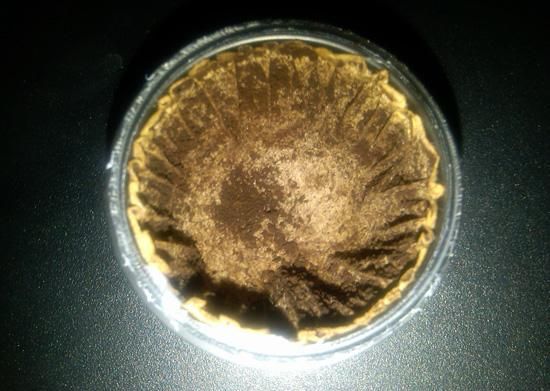
Another problem facing the company is the expiration of their patents. Keurig’s success is based on the unique designs of their brewers and, more importantly, the little K-Cup itself. While they have always licensed their brewing technology, the secret to the K-Cup has been a closely guarded secret. But patents for the lucrative coffee-pod technology will expire on September 16, 2012. Of the 37 patents used to create the Keurig system, only two will be expiring, but according to Bloomberg, these are the critical patents that control the “protect technology that maintain a precise amount of coffee in each pod and the means to pierce it to extract liquid.”
With the coffee pod market about to become a lot more competitive, it may also become a lot more wasteful. But whats bad for Keurig might be good for the environment. As we saw with the invention of the espresso, patents were adapted and improved to create a better tasting, more efficient, and even safer shot. There’s about to be an opening for a K-Cup competitor to enter the market with recyclable or biodegradable coffee pods that offer freshness and convenience and sustainability.
This is the fourth installment in our series about all things coffee. Previously, we looked into the history of the espresso machine, speculated on reinventing the coffee shop, and the future of coffeehouses in Vienna.
/https://tf-cmsv2-smithsonianmag-media.s3.amazonaws.com/accounts/headshot/Jimmy-Stamp-240.jpg)