
Are Pythons Coming to Your Neighborhood?
/https://tf-cmsv2-smithsonianmag-media.s3.amazonaws.com/accounts/headshot/Sarah-Zielinski-240.jpg)
/https://tf-cmsv2-smithsonianmag-media.s3.amazonaws.com/filer/50/b9/50b99375-4904-4f42-a4c9-5f18860d6cfe/gator_python.jpg)
If you live in southern Florida, Burmese pythons might have already settled into your backyard. These invasive species (see Ecocenter: The Land for more about invasive species) are naturally found in Asia but a population took root in Everglades National Park before 2003—probably pets that were released (or escaped) into the wild—and they are now spreading throughout the region.
Where the snakes end up is limited, though, by the availability of suitable food, shelter and climate. That's good news for people living in the north; it's too cold for the snakes. At least for now.
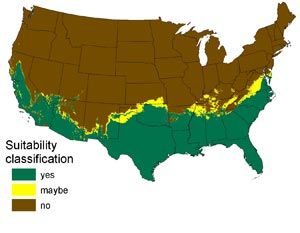
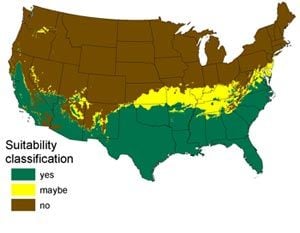
Scientists at the U.S. Geological Survey have mapped out the range of suitable climate for the pythons at present (above) and at the end of the century, after decades of global warming (below). The bad news is that the changing climate could open up new areas to the snakes. Maybe even where you live.
The Burmese python is a scary creature. Anything that would take on an American alligator would be (below, a snake fighting an alligator in Everglades National Park). But what dangers does their spread actually hold?
Bob Reed, a USGS wildlife biologist who helped develop the maps, said in a statement that "wildlife managers are concerned that these snakes, which can grow to over 20 feet long and more than 250 pounds, pose a danger to state- and federally listed threatened and endangered species as well as to humans."? Furthermore, he said, "Several endangered species have already been found in the snakes' stomachs. Pythons could have even more significant environmental and economic consequences if they were to spread from Florida to other states."?
/https://tf-cmsv2-smithsonianmag-media.s3.amazonaws.com/accounts/headshot/Sarah-Zielinski-240.jpg)